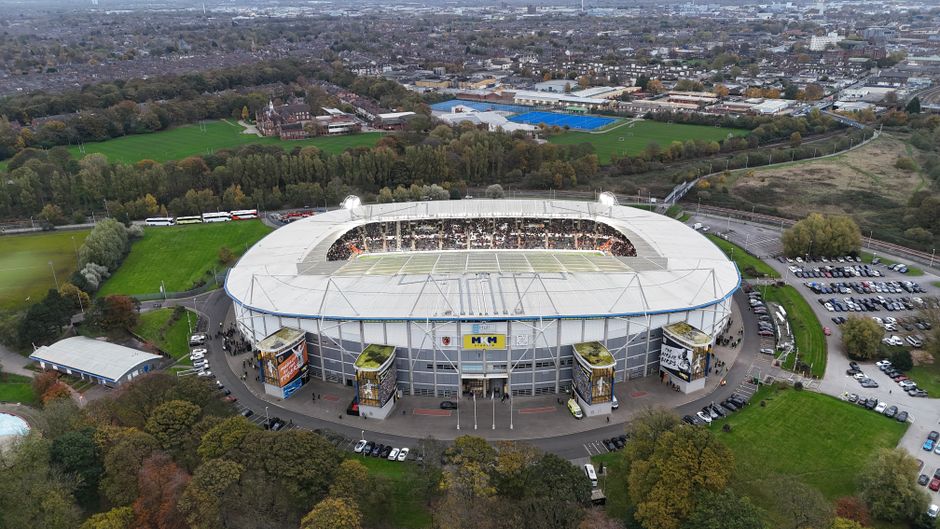
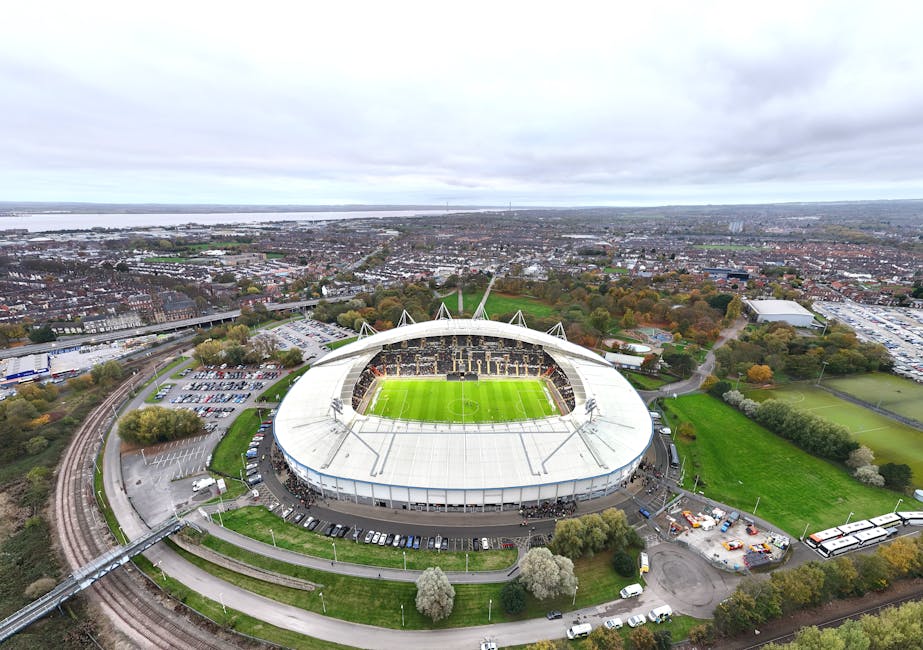
White Hart Lane stadium waste removal plan for match days
Match days at White Hart Lane are busy, noisy, and brilliantly alive. They are also messy. Cups pile up fast, food packaging blows into corners, bins fill before half-time, and the clean-up window after the final whistle can feel uncomfortably short. A strong White Hart Lane stadium waste removal plan for match days is what keeps that chaos under control.
This guide explains how a match-day waste plan works, why it matters, who needs it, and how to build one that actually holds up when thousands of people arrive, leave, and leave behind more than they meant to. We will look at collection timing, segregation, staffing, safety, recycling, compliance, and the common mistakes that make stadium clean-ups harder than they should be. Truth be told, a good plan is less about heroic last-minute effort and more about sensible preparation.
Table of Contents
- Why White Hart Lane stadium waste removal plan for match days Matters
- How White Hart Lane stadium waste removal plan for match days Works
- Key Benefits and Practical Advantages
- Who This Is For and When It Makes Sense
- Step-by-Step Guidance
- Expert Tips for Better Results
- Common Mistakes to Avoid
- Tools, Resources and Recommendations
- Law, Compliance, Standards, or Best Practice
- Options, Methods, or Comparison Table
- Case Study or Real-World Example
- Practical Checklist
- Conclusion
- Frequently Asked Questions
Why White Hart Lane stadium waste removal plan for match days Matters
On match days, waste is not just an afterthought. It affects how safe the concourses feel, how smoothly staff can move through the venue, how quickly the stadium resets after full time, and even how the surrounding streets look in the hours after the crowd disperses. A stadium can have excellent catering, strong security, and well-run entry systems, but if waste handling is weak, the whole experience feels scruffy. And once the bins overflow, everything gets harder. Fast.
White Hart Lane has a match-day rhythm all its own. People arrive in waves, food and drink sales peak in short bursts, and the final 20 minutes of a game often create a rush of discarded packaging. That means waste removal has to be planned around pressure points, not just basic collection routes. The aim is simple: keep the venue presentable, keep staff safe, reduce slip and trip risks, and make sure recyclable material is captured before it is mixed with general rubbish.
There is also a reputational angle. Fans notice a clean environment. Contractors notice it too. So do local residents and nearby businesses. A tidy exit path, clean loading area, and prompt removal of full containers all send the right signal. It tells people the venue is well managed, not just during the game but before and after it as well.
For stadium operators, event teams, and waste contractors, this kind of planning also reduces panic decisions. No one wants a last-minute scramble because bags are stacked in the wrong place or a loading bay is blocked just when the post-match clean-up needs to move quickly.
Practical takeaway: match-day waste removal is really about flow. If waste moves smoothly from concourse to storage to collection vehicle, the rest of the operation becomes much easier.
How White Hart Lane stadium waste removal plan for match days Works
A match-day waste plan works by matching collection capacity to crowd behaviour. That sounds simple, but in practice it means mapping every waste stream, every peak period, and every place where waste is likely to build up. In a stadium setting, the main categories usually include food waste, drink containers, cardboard, mixed packaging, general litter, sanitary waste, and occasional bulky or awkward items from hospitality or maintenance areas.
First, the venue team decides what needs separate handling. For example, front-of-house bins may collect mixed litter, while back-of-house areas can be set up for cardboard, cans, plastics, and catering waste. If the site uses a business waste removal service, that service needs to fit the stadium schedule rather than the other way around. Timing matters. If collection happens too early, waste builds up later. Too late, and the post-match reset becomes a headache.
Next comes placement. Bins and cages should be positioned where waste is naturally created: entrances, hospitality zones, kiosks, seating exits, smoking areas where relevant, and service corridors. The trick is to make disposal easy without creating clutter. A bin hidden behind a sign no one can see is basically decoration.
Then there is the collection rhythm. A good plan usually includes pre-match checks, live monitoring during the game, and a structured post-match sweep. In larger venues, the clean-up may be broken into zones so one team can clear concourses while another handles external litter and service yards. For bulky items, awkward stock, or discarded furniture from temporary hospitality setups, a route into furniture disposal or related clearance support may be useful, depending on the item type.
Finally, the plan should include an escalation route. If a bin area overfills, if a spillage occurs, or if a vehicle access issue blocks collection, staff need to know who to call and what to do next. A decent process prevents small problems becoming visible messes.
Key Benefits and Practical Advantages
The obvious benefit is cleanliness, but that is only the start. A structured waste removal plan improves the whole match-day operation in several practical ways.
- Cleaner spectator areas: Fans move through concourses more comfortably when litter does not build up underfoot.
- Better safety: Fewer loose bags, spilled drinks, and overfilled containers means fewer slip and trip hazards.
- Smoother turnaround: When waste is cleared in phases, staff can reset zones faster after the final whistle.
- Higher recycling capture: Segregating cardboard, plastics, and cans properly makes recycling easier and more credible.
- Less disruption to operations: Planned collection avoids trucks, cages, or labour being in the wrong place at the wrong time.
- Better public impression: Clean exits and tidy external areas matter a lot on busy evenings, especially when people are heading into the street in waves.
There is also a quieter advantage: morale. Teams work better in a clean environment. It sounds obvious, but anyone who has done a long post-event sweep knows the difference between a well-run site and one where everything has just been left to build up. One feels controlled; the other feels like a battle you were destined to lose by 9:45 pm.
For organisations that care about environmental performance, a proper waste plan also supports recycling and sustainability goals. Where material is separated correctly and contamination is kept low, more can be diverted from residual waste. If you want to deepen that side of the operation, it helps to understand the basics of recycling and sustainability and how they apply to live events rather than office routines.
Who This Is For and When It Makes Sense
This kind of plan is relevant to anyone responsible for waste on a busy stadium event day. That includes venue managers, match-day operations leads, catering contractors, cleaning supervisors, facilities teams, event production staff, and waste service providers. If your job involves keeping White Hart Lane running smoothly while crowds move through at speed, this is your world.
It also makes sense for temporary operators inside the stadium, such as hospitality teams, pop-up vendors, or contractors handling fit-outs and breakdowns. Even if your own footprint is small, your waste stream may be enough to cause a bottleneck if it is not collected on time.
For smaller operations, the plan can be simple: a few clearly labelled waste points, one or two scheduled collections, and a short post-event sweep. For larger match days, especially with hospitality activations or special events layered on top, the plan becomes more detailed. You may need separate collection points, vehicle access checks, and a more formal briefing for staff.
It makes sense whenever one or more of these apply:
- crowds are large enough to create visible waste build-up;
- the site has limited storage space for filled bins or sacks;
- recycling targets matter;
- there are security or access restrictions;
- the venue must reopen quickly after the event;
- external streets and loading areas must stay clear;
- multiple contractors are operating at the same time.
Step-by-Step Guidance
Here is a practical way to build the plan. Not theoretical. Usable.
- Map the waste sources. Walk the site and note where waste is created: food stalls, seating exits, hospitality areas, toilets, staff rooms, storage spaces, and external perimeter points.
- Separate waste streams. Decide what will be collected as general waste, cardboard, mixed dry recyclables, food waste, and any special waste that needs separate handling.
- Set bin locations. Place containers where people naturally dispose of waste, but keep them away from pinch points, fire exits, and obvious obstruction routes.
- Plan collection timing. Build in pre-match, mid-match if needed, and post-match collections. Do not wait until bins are full. That is how overflow starts.
- Assign responsibilities. Every zone should have a named person or team responsible for monitoring waste levels and reporting issues.
- Prepare the storage area. Make sure the holding area is secure, accessible, and large enough for peak waste volumes.
- Brief everyone involved. Staff, contractors, and cleaners should know where to take bags, where not to leave them, and what to do with bulky or problematic items.
- Review after the event. Look at what overflowed, what was contaminated, and where time was lost. Then adjust the next plan. That feedback loop is gold, really.
If the stadium is dealing with bulky stock, broken fixtures, or end-of-season material from hospitality and office spaces, other clearance services may be useful too. For example, internal teams often need office clearance support for back-of-house admin areas, or builders waste clearance if works are happening alongside event operations.
One small but important point: keep a few spare liners and a buffer of empty bins on standby. Those little extras can save the entire last hour of the clean-up.
Expert Tips for Better Results
After enough event clean-downs, you notice certain patterns. Some are painfully predictable. The best plans are the ones that account for them before the crowd arrives.
- Use colour and wording consistently. If staff use different labels for the same waste stream, contamination rises. Keep the message simple.
- Think like a fan. If a bin is awkward to reach, many people will not use it. Place bins where the natural walking line already passes.
- Monitor the first 20 minutes after the final whistle. That is often the busiest disposal period. It is noisy, rushed, and a bit frantic.
- Keep walkways free before you chase recycling perfection. Safety comes first. Always.
- Use temporary holding points carefully. They should be secure and not visible to the public if possible.
- Train for spill response. One dropped drink can spread quickly on a polished concourse floor.
- Coordinate with catering. Packaging choice and collection setup should be discussed together, not separately.
Here is a simple rule that saves trouble: if a waste point looks fine from ten metres away but terrible from two metres away, the problem is probably not the bin size. It is the workflow around it.
Another tip is to keep an eye on mixed waste contamination. Once food, liquids, and cardboard get mashed together, recycling value drops sharply. If you can stop that at source, you will usually save time later. And time, on a match day, is precious.
Common Mistakes to Avoid
The biggest mistake is underestimating volume. Stadium waste is bursty. It does not arrive at a smooth, tidy pace. It arrives in waves. That means a plan based on average waste generation can fall apart very quickly when the crowd peaks.
Other mistakes are less dramatic but just as damaging:
- Poor bin positioning: If bins are tucked away, overflow moves elsewhere.
- No backup capacity: A full day needs contingency, not just one neat route.
- Confusing signage: People will not spend time decoding it.
- Mixed waste stored together too soon: This makes recycling harder and can create smell or hygiene issues.
- Ignoring access routes: A collection vehicle is useless if the loading bay is blocked by cages, cones, or parked equipment.
- Forgetting back-of-house spaces: Waste in service corridors tends to get missed until it becomes a problem.
- No post-event review: If you do not learn from the last match, you repeat the same mess next time. A bit grim, but true.
There is also a tendency to overfocus on the visible public areas and neglect the less glamorous parts of the operation. Behind the scenes, it is often the storage yards, bins stores, and contractor routes that determine whether the whole system works. Nobody tweets about a neat loading bay, but it matters.
Tools, Resources and Recommendations
You do not need fancy kit to run a solid plan, but a few practical tools make the process much smoother.
- Clearly labelled bins and cages: Keep waste streams obvious and easy to separate.
- High-visibility bin liners: Useful where quick identification matters during busy turnaround periods.
- Spill kits: Essential for drink leaks, broken containers, or food splashes.
- Wheelie bins or movable containers: Helpful for flexible layout changes on event days.
- Handheld radios or mobile communication: Waste issues need fast reporting, not long relay chains.
- Zone maps: Even a simple printed layout can help cleaners, stewards, and contractors stay aligned.
- Weighing or volume tracking notes: A simple record of what filled fastest can help you plan future match days better.
If your operation includes stored stock, old equipment, or mixed materials from other site functions, you may also need specialist collection support for awkward items. In some cases, that might mean mattress and sofa disposal for hospitality spaces, or appliance-related support through fridge and appliance removal where catering areas are being refreshed.
For businesses that want a broader, dependable waste service outside stadium events too, it is worth looking at general waste removal options and the practical scope they cover. The right partner should be able to adapt to event timing rather than forcing a standard schedule onto a non-standard day.
Law, Compliance, Standards, or Best Practice
Waste handling in the UK sits within a framework of environmental responsibility, workplace safety, and proper disposal practice. You do not need to turn match-day operations into a legal seminar, but you do need to be careful. Waste must be stored, moved, and handed over responsibly, and any business involved should understand its duties around duty of care, segregation where applicable, and safe handling of materials.
For stadiums and event spaces, the practical best practice is straightforward: keep records, use trained staff, segregate recyclable material where feasible, and make sure waste carriers are suitable for the job. If hazardous or unusual waste appears, it should not be thrown into the general flow and forgotten about. That sounds obvious, yet it is one of the easiest mistakes to make when people are rushing.
Health and safety matters just as much. Overfilled bags, blocked walkways, sharp debris, and leaking waste can create risks for staff and visitors. A sensible plan should sit comfortably alongside site safety procedures, emergency access arrangements, and operational briefings. It should also line up with the venue's internal policies, including any relevant health and safety policy and insurance and safety guidance.
If confidential paperwork or backstage admin waste is involved, it should be treated separately, not mixed into ordinary event litter. In those situations, confidential shredding can be a sensible route. It is a small detail, but on a busy site, small details are what stop issues becoming awkward later.
Options, Methods, or Comparison Table
There is no single best waste removal method for every match day. The right choice depends on crowd size, space, waste type, and how quickly the site needs to reset. The comparison below shows the main options in plain English.
| Method | Best for | Strengths | Trade-offs |
|---|---|---|---|
| Scheduled bag collection | Smaller or simpler match days | Easy to organise, low setup effort | Can struggle with sudden peaks |
| Zone-based bin monitoring | Busy concourses and mixed-use areas | Responsive, practical, good for live operations | Needs active staff oversight |
| Dedicated temporary holding area | Larger events with more waste volume | Supports faster collection and better routing | Requires secure space and clear access |
| Mixed contractor and in-house clearing | Complex sites with many moving parts | Flexible and scalable | Needs strong coordination to avoid duplication |
For stadium operations, a blended approach is usually the smartest. A bit of scheduled collection, a bit of live monitoring, and a clear emergency fallback if something overflows. That combination tends to hold up much better than a rigid single-method plan.
If temporary event build-up is also taking place around the stadium, you may need to combine waste handling with builders waste clearance for packaging, offcuts, and site debris. Different waste streams, different routes. Keep them separate where possible.
Case Study or Real-World Example
Imagine a match day where a hospitality section opens early, general admission starts building from lunchtime, and the stadium is hosting a small sponsor activation near the main entrance. Nothing dramatic. Just a normal, busy day. By mid-afternoon, packaging, cups, and cardboard have already started to stack up in the wrong places because one recycling point is tucked behind a decorative barrier and a cleaning route has been partially blocked by service equipment.
What happens next is familiar. Staff begin moving waste manually to a better location, but now they are also working around guests and security barriers. The final-hour sweep gets squeezed, the loading bay becomes congested, and post-match cleanup takes longer than planned. Nothing catastrophic, but enough to make people feel the strain.
Now compare that with a better setup. The bins are visible from the natural walking route. Hospitality waste is separated from public litter. A small overflow reserve is ready in the back-of-house area. The waste team checks high-traffic zones before kick-off, again during the game, and immediately after the final whistle. The result is not glamorous. It is simply calm, and in event operations, calm is underrated.
That is the real point of the White Hart Lane stadium waste removal plan for match days: not perfection, but control. Control over timing, access, segregation, and clean-up flow. When those pieces are in place, the rest feels much more manageable.
Practical Checklist
Use this checklist before each match day. It keeps the process grounded.
- Bin locations confirmed and visible
- Waste streams labelled clearly
- Collection timings set for pre-match and post-match periods
- Overflow containers available
- Loading and access routes clear
- Staff briefed on waste routes and escalation steps
- Spill kit and cleaning materials ready
- Back-of-house storage area checked
- Recycling and general waste kept separate where practical
- Special waste identified and diverted correctly
- Post-event review notes prepared
If you can tick off those points without much drama, you are in a good place. If not, fix the weak spots before the crowd starts moving. It really does save time later.
Conclusion
A match-day waste removal plan for White Hart Lane is not just a tidy-up exercise. It is part of the stadium's operating rhythm. It helps protect safety, supports recycling, keeps the fan experience polished, and makes sure the venue can reset properly after the noise and energy of the game.
The best plans are the simple ones that have been thought through properly: clear bin placement, sensible collection timing, trained staff, and a fallback if waste volumes spike. If you get those basics right, the rest becomes far less stressful. And on a match day, less stress is a good thing.
For venues and contractors that need dependable support with collections, clearance, or routine waste handling around busy event schedules, it is worth lining up a service that understands real-world pressure and short turnaround times. If your operation needs help, start with the options that fit your site, your timing, and your waste stream. The details matter, but they are manageable with the right setup.
Get a free quote today and see how much you can save.
Frequently Asked Questions
What is a White Hart Lane stadium waste removal plan for match days?
It is a structured approach for collecting, separating, storing, and removing waste before, during, and after a match so the stadium stays safe, clean, and operational.
Why does stadium waste build up so quickly on match days?
Because waste is generated in spikes. Fans often dispose of packaging, cups, and food waste at the same time, especially before kick-off, at half-time, and after full time.
How often should bins be checked during a busy match?
That depends on crowd size and the area, but the busiest points usually need live monitoring rather than waiting for a fixed collection time. In practice, checks before the match, around half-time, and just after the final whistle are common.
Should recycling be separated at a stadium?
Yes, where practical. Clean separation of cardboard, cans, and suitable plastics can improve recycling performance and reduce the amount of mixed waste sent away.
What is the biggest mistake in match-day waste planning?
Underestimating waste volume. A plan that looks fine on paper can fall apart if it has no buffer for crowd spikes or overflow.
Do stadiums need special waste storage areas?
Usually, yes. A secure, accessible holding area makes collection easier and reduces the risk of bags being left in public or operational walkways.
Can match-day waste plans help with safety?
Absolutely. Good waste control reduces slip hazards, blocked routes, clutter, and manual handling issues for staff and contractors.
What kind of waste is most common on match days?
General litter, drinks containers, food packaging, cardboard, and catering waste are usually the most common. Some events also create bulky or special waste in back-of-house areas.
How do I know if my waste plan is working?
Look at overflow points, collection delays, contamination levels, and how long the site takes to reset after the event. If those indicators are improving, the plan is working.
Do contractors and venue teams need to work together?
Yes, they really do. Waste planning falls apart when catering, cleaning, operations, and external collection teams are working in separate silos.
What should be reviewed after each match?
Check which bins filled first, where congestion appeared, whether access routes stayed clear, and whether any waste stream was contaminated. Then adjust the next plan accordingly.
Is a match-day waste plan only for large stadiums?
No. Even smaller venues benefit from planning, because waste can still build up quickly when footfall is concentrated in a short period of time.
If you want to keep the whole operation running smoothly, start with the waste system before the crowd arrives, not after. That one habit makes more difference than most people expect.